This study aimed to investigate the impact of fitspiration short video use on women's body appreciation and exercise motivation in China, as well as the relationship between body appreciation and exercise motivation. Short videos have become a popular tool to inspire and motivate people to engage in exercise behaviors. However, the impact of fitspiration short videos on viewers' attitudes and behaviors is still a subject of debate. 300 female Chinese participants who use short video platforms were recruited online. 296 participants agreed to take part and responded to the survey. In addition to frequency distributions, exploratory factor analysis, one-way ANOVA, t-test, Scheffe Test, Pearson correlation analysis and multiple regression analysis have been applied in the analysis of the data. According to the results of the study, participants who reported higher fitspo short video use were more appreciated to their bodies and more inspired to exercise. Besides, women of their elder age presented higher body appreciation than the youngsters despite the influence of fitspo short video use. Finally, women's body appreciation positively affects their exercise motivation. The study concludes that fitspiration short videos do not harm women's body appreciation while positively impact their exercise motivation.
This study assesses the impact of sponsorship contract announcements on stock prices in the Korea Baseball Organization (KBO) League. We adopt the event study methodology to examine abnormal returns (ARs) and cumulative abnormal returns (CARs) of the five Korean conglomerate companies around the dates in which they announce sponsorships with the KBO teams. The results show that all the sample companies have negative ARs at their sponsorship announcement dates. However, we find that CARs recover these initial negative ARs within a maximum of 13-trading-days, suggesting the potential reversibility in the short-term negative value impact of sponsorship. We argue that the negative stock price reactions of sponsorship could be temporary phenomena, possibly being driven by behavioral biases, such as underreactions to the benefits of sponsorship and overreactions to its costs. Overall, this study contributes to the behavioral finance and marketing literature and suggests practical implications for companies strategically managing market reactions to their sponsorship contracts.
This study aims to mathematically verify the final defence positions at which the goalkeeper divides the defence range into half. The most efficient moving line strategy for goalkeeping was proposed, thereby providing basic data for goalkeeping. First, the erroneous claim from existing handball literature that handball goalkeepers should defend at the centre of the goal line and the extension of the ball was mathematically proven. Second, the final defence positions where the goalkeeper can defend at the centre of the defensive range were mathematically verified. Third, the final defence positions of the goalkeeper when shots are made from positions 6 and 9 m away from the outermost goalpost were calculated. Fourth, the positions of 231 shootings that occurred in actual game situations and the defence positions of the goalkeeper based on each shooting were compared with the mathematically verified final defence positions. Consequently, the goalkeeper's efficient positioning strategy was presented through the comparison. An error in the goalkeeper's defensive position suggested in the existing textbook was verified. This study proposed a goalkeeper's movement line that is more efficient than the semicircular movement line that was previously presented.
This paper reviews the psychological responses to athletic injuries and their impact on rehabilitation outcomes. Athletes' mental states, influenced by stress, motivation, self-efficacy, and social support, are critical to recovery. Emotional responses such as anxiety, depression, and fears of reinjury are particularly common among competitive athletes and those experiencing long-term or recurrent injuries, highlighting the need for psychological support alongside physical care. Grounded in stress and coping, social cognitive, and self-determination theories, this review explores how resilience, adaptive coping strategies, and self-efficacy promote successful recovery. Social support from coaches, teammates, family, and healthcare professionals is emphasized as essential for managing stress and sustaining athlete engagement. Practical approaches, including goal-setting, relaxation techniques, and open communication, are identified as effective tools for addressing psychological challenges and improving adherence to rehabilitation protocols. Tailored interventions that consider individual needs ensure better recovery outcomes and long-term well-being. The findings underscore the importance of integrating psychological strategies into rehabilitation programs. Addressing both mental and physical aspects of recovery enables athletes to overcome emotional barriers, build resilience, and achieve a sustainable return to sport and daily life.
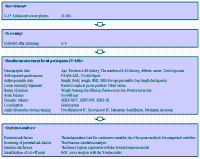
Lateral ankle sprain (LAS) is the most common injury in Korean adolescent soccer players. However, intrinsic risk factors for LAS in adolescent soccer players remain unclear. Therefore, this prospective cohort study aimed to identify intrinsic risk factors for LAS in Korean adolescent soccer players. This study included 100 adolescent soccer players (age=13.21±0.95 years, height=1.62±0.09 m, weight=53.37±9.54 kg, BMI-for-age percentile=63.78±20.89%, athletic career=3.95±1.96 years). Baseline measurements were performed in the preseason, and the injury surveillance on LAS was conducted for 1 year. Independent variables included participants’ demographic and anthropometric data, self-reported questionnaire, lower extremity alignments, range of motion, static, and dynamic balance, coordination, and ankle kinematics during running. Independent t-test and Chi-square analysis were used for potential risk factors, which were imported to the binary logistic regression to identify intrinsic risk factors for LAS. Data on intrinsic risk factors identified by the logistic regression were analyzed using the receiver operating characteristic curve analysis to determine a cutoff point of each variable. In this study, age, body mass index, previous LAS history, the number of LAS history, and maximum dorsiflexion and inversion during the stance phase of running were potential risk factors for LAS. Our major findings showed that decreased dorsiflexion and increased inversion at initial contact during running significantly affected LAS occurrence in Korean adolescent soccer players. Considering our major findings, to prevent LAS in adolescent soccer players, gait training must not be overlooked and should be included in warm-up sessions.
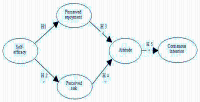
The exponential growth in engagement with extreme sports in recent decades has surpassed our understanding of the perceptions and personal experiences of those individuals who participated. This research explores the relationship between self-efficacy, perceived enjoyment, perceived risk, attitude toward behavior, and continuance intention within the framework of the theory of planned behavior. The study collected data from 193 parkour enthusiasts who associated with Chinese amateur parkour clubs. Hypotheses were verified using structural equation modeling using AMOS 26.0. The results demonstrate notable associations across all categories, however, the hypothesis that perceived risk will influence attitude toward behavior was not supported. The study concludes with discussions on the implications for scholars and practitioners and suggestions for future research.
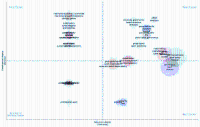
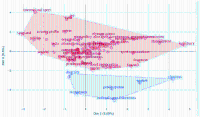
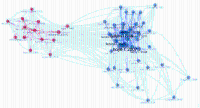
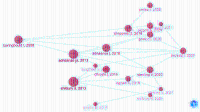
The current study aims to highlight the current trends in the literature on sport governance by applying a bibliometric review of papers on sport governance topics published in the Web of Science database. This study reviews 230 Web of Science-indexed journal articles on sport governance and analyzed the data using bibliometric analytic tools such as thematic mapping and co-citation analysis. The findings reveal a notable increase in research on sport governance over time. Over the past three decades, diverse topics within sport governance have been explored, with a significant emphasis on national sport organizations, corruption, gender, leadership, volunteer boards, and collaborative governance. The study identifies gender dynamics and diversity, equity, and inclusion (DEI) as emerging key research areas. The results not only contribute to our understanding of current sport governance literature but also point towards potential future research directions. These include the development of a comprehensive framework, exploration of outcome-related governance principles, and the application of governance principles to local and non-European sport organizations and systems.
Physical activity in early childhood plays a crucial role in the holistic development of young children. However, challenges persist in the effective implementation of early childhood physical education (ECPE) due to the lack of specialized expertise among early childhood teachers. This study aimed to identify the essential components of the teaching competency required for ECPE through a Delphi survey approach. A panel of experts categorized teaching competency into four core areas: physical activity education, understanding learners, professional development, and environmental management. This study highlights the importance of reflective professionalism, safety management, and creating a positive learning environment. The findings offer valuable guidance for enhancing teacher education and professional development programs, ultimately empowering early childhood teachers to provide meaningful and effective physical activity education to young children. Further research is needed to explore how these competencies can be effectively integrated into ECPE settings.
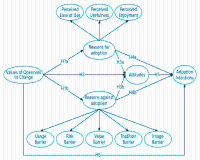
The use of digital technology in sport is an inevitable trend, but the behavioral decision-making process of sport participants using digital technology for sport participation is unclear. This study used behavioral reasoning theory to develop and validate a theoretical model that analyses participants’ behavioral cognitive decision-making by considering both reasons for adoption and against adoption and in doing so, explains sport participants’ behavioral decision-making in using digital technology for sport participation, which is a theoretical extension of existing innovation frameworks in sport management and marketing. The study found that respondents’ reasons against adoption the use of digital technology for sport participation had a greater influence on their attitudes and behavioral intentions, with perceived hedonism and barriers to use being the dominant factors in the reason for adoption and against adoption, respectively, and participants’ values significantly influencing the reasons for adoption and against adoption the use of digital technology for sport participation. This study provides unique insights for developers and related marketing promoters of digital technology applications in sport, and in expanding the impacts associated with the use of digital technology in sport, it is necessary to clarify the reasons for adoption and against adoption, and to consider the values of the participants, so that the combination of digital technology and sport can better meet the actual needs of the participants.
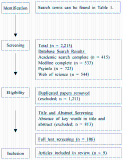
Given the barriers to physical activity (PA) that people with disabilities face, web-based PA interventions have garnered attention to promote their engagement in PA. However, previous studies have yielded inconsistent results regarding the impact of these interventions on PA among peoples with disabilities. The aim of this systematic review was to assess the effects of web-based PA interventions on PA in peoples with disabilities. The Preferred Reporting Items for Systematic Reviews and Meta-Analyses guidelines were adopted as the framework for this review. Four databases—Academic Search Complete, Medline Complete, PsycINFO, and Web of Science—were searched, and three coders independently reviewed the retrieved studies. A total of nine studies were included in this review. These studies comprised a combined sample size of 314 participants, with 192 in the experimental groups and 122 in the control groups. The web-based interventions examined in these studies fell into four categories: 1) application-based, 2) text messaging, 3) video/phone calls, and 4) web platforms. Of the nine studies, four reported significant and positive effects on PA among people with disabilities. However, the remaining studies found no significant effects. Given these inconclusive findings, further research is warranted to ascertain the effectiveness of web-based PA interventions. Future studies should focus on identifying and addressing the barriers that participants may face in accessing these interventions.