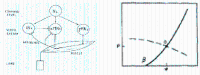
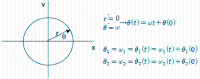
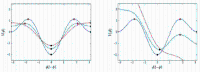
Human movement and motor behavior science involve various theoretical frameworks and methodologies. This study describes the force control of motor phenomenon, processes of linear or nonlinear dynamics, and proposes a system approach as an additional potential aspect. Thus far, issues regarding these motor control and learning paradigms were critically examined, and their respective mechanisms were compared using descriptive analysis. Elaborate simulations based on the transitions and development flow of each component at issue contributed to the linear approach, laid concrete emphasis on the advantages of the nonlinear approach, and empirically derived the rationale for the indispensable application of system dynamics. Sports science can benefit from system dynamics associated with human motor behavior, as demonstrated in this study.
This study aimed to identify sporting event experience factors and examine the structural relationships among experience, destination image, event image, and behavioral intention using data from sport spectators of the 18th FINA World Aquatic Championships in South Korea. The data were collected using a face-to-face questionnaire-based survey with 329 randomly selected sport spectators aged over 20 years. Factor analysis, reliability, validity, a correlation analysis, and a structural equation modeling analysis were employed utilizing SPSS 22.0 and AMOS 22.0. The results indicate that entertainment, esthetics, and escapism in sporting event experiences enhance destination image and event image. Further, destination image and event image are strong predictors of behavioral intention. The results indicate that local governments and event organizers should provide spectators with a creative sporting event environment with a wide array of potential experiences.
The aim of this study was to analyze the breast cancer survivors’ difficulties in participating in sports as cancer aftercare. This study employed the case study and purposive sampling to obtain the sample from five breast cancer survivors, two surgical oncologists, and a cancer aftercare NGO specialist. This study conducted the participatory observation method and depth interviews to categorize and conceptualize based on transcribed data with selected study participants. The study was to identify the essential themes, and four medical experts addressed within and across cases. Three essential themes were revealed: financial difficulty, severe chronic condition, and social role. Firstly, breast cancer survivors suffer financial difficulty after a cancer diagnosis because of their career breaks or the absence of economic activities. This situation put survivors hard to take part in sports with high expenses or customized personal programs. Secondly, breast cancer survivors suffer experience motor disorders due to low motivation due to poor physical ability. Therefore, follow-up measures for them should be taken at the welfare level. Thirdly, breast cancer survivors continue to shoulder a disproportionate share burden of Balancing work and family obligations. Cancer survivors who are parents or family caregivers have taken on even more during the cancer treatment. They were already shouldering the majority of financial, social, and family care responsibilities. That is wholly inadequate for most cancer survivors to find enough time to work out or do sports regularly but sporadic or never for themselves and their health.
This study aimed to describe and compare the pacing strategy and performance of world level under 19 (U19), under 23(U23) and senior single scullers during world championship races. Data are from 8 years of Rowing World Championships A and B finals of single scull races for U19, U23 and senior age scullers. Pacing was determined for velocity, stroke rate and, distance per stroke (SD). Scullers presented a fast start strategy for all races investigated. There was no significant difference in pacing between age groups. Velocity peaked at the 100m (U19) and 150m (U23 and senior) mark. The scullers in the older age groups showed superior performance scores of the studied variables. U19, Under 23 and senior single scullers present similar pacing regardless of their age group. Performance of single sculler improve from U19, to U23 to senior for both lightweight and heavyweight classes. The results of this study may serve as a reference for athletes, coaches, and sports scientists to be implemented in training.
We examined the performance differences in elite male marathoners when competing for record times versus ranks. Data of the top 300 male marathoners in 2019 were obtained from the World Athletics website for comparison and analysis. All competitions approved by the World Athletics were rated in the order of OW, GL, A, B, C, D, E, and F. Time comparisons were performed using one-way ANOVA and then the Bonferroni post-hoc test. Higher-grade competitions consist of top athletes with competitive qualifying record whose central motivation is to achieve the best records. Lower-grade competitions are often preliminary measures of qualification for larger competitions, motivating athletes to compete for ranks rather than records. The average time difference for each competition was statistically significant. GL’s average time was the fastest at 2:13:42 (±00:03:15). From A to F, the average finishing time tended to increase from 2:09:51 (±00:03:27) to 2:14:48 (±00:03:24). The average end time at F was the slowest at 2:14:48 (±00:03:24). When comparing the athletes’ relative performance, the times for large international competitions, such as GL, A, and B, were also faster than smaller competitions, such as E and F (p<0.05). These results are interpreted to mean that competing to achieve record times is better for marathon performance than competing for ranks.
The purpose of this study was to investigate the vertical stiffness and agonist-antagonist muscle co-activation according to running velocity. Eighteen runners asked to perform running on an instrumented treadmill (HP Cosmos, Germany) with a capacitance-based pressure platform at 40, 50, 60, 70, 80% of maximum velocities, 19 infrared cameras and surface electromyography were used to measure kinematics and muscle activation. Vertical stiffness increased significantly as running speed increased. On the other hand, co-activation decreased significantly as the running speed increased. We conclude that antagonist muscle groups decrease with increasing running speed and depend on agonist muscle group activity.
Although the primary purpose of signing players is to provide fans with the best on-field performance, players’ role in team branding is another important factor that needs to be considered. Furthermore, as teams are dedicating tremendous time and effort into scouting and with large talent pools available worldwide, teams can easily find players with similar on-field qualities but possess dissimilar brand personalities. Thus, the purpose of the current study is to investigate the role of player signing in team branding. Particularly, this study examined the effect of player-team brand personality alignment on team-related fan responses. The empirical evaluation was undertaken with data collected from an experimental study. The authors empirically demonstrated that player-team brand personality alignment positively affected overall team evaluation and customer-based team brand equity, with more pronounced result for unfamiliar teams. Our findings not only establish the vital role of players in teams’ branding strategies but also uncover when aligned brand personality is more influential in reinforcing brand meaning and shaping affective brand evaluations and customer-based brand equity. The results of the current study fill gaps in the literature and extend the body of knowledge in branding studies in general and sports team branding studies in particular.
The purpose of this study is to establish a simpler way to assess cardiopulmonary function in handball athletes whose continuous aerobic ability is vital in games using field tests, as well as to provide basic data on changes in lactic acid concentration. A total of 8 youth elite male handball athletes participated in this study. Participants visited three times in total. The first was assigned to graded exercise test and body composition measurements. Participants were then randomly assigned to a 20-meter shuttle ride or Yo-Yo Intermediate Recovery. All participants measured the lactic acid concentration after each exercise test. There were no significant differences in the VO2max (ml/kg/min) results in each test. There was no significant difference immediately after exercise of each test, after 5 minutes, after 10 minutes, and after 20 minutes. Compared to the golden standard GXT, there is no difference in maximum oxygen intake and lactic acid concentration after the two field tests, so both tests are expected to be efficiently used to evaluate the aerobic ability and develop training programs in the field.
This study aimed to analyze the voice of recipients of professional sports teams’ corporate social responsibility (CSR) activities. Fairclough’s critical discourse analysis (CDA) was adopted and analyzed 275 tweets from every NBA team that included the #NBATogether hashtag from March 20th to April 20th, 2020. Results suggested the public mostly complied with discourses created by NBA teams, but challenging discourses were constantly created in comments. This study provided possible reasons to support these findings. First, the conceptual background of CDA is provided to justify the creation of different discourses in comments. Second, the characteristic backgrounds of users following professional sports teams’ social media were mentioned as a possible cause of complying discourse as dominant in comments. Third, the research also highlighted how social media should not be a panacea for delivering CSR discourse, which brings up the necessity for the traditional media to be considered as not all public have internet access. Finally, the importance of analyzing the public’s discourse was mentioned to emphasize the benefits of both professional teams and communities.
Common Cartesian dualisms (e.g., mind vs. body) are misleading in understanding human action like physical activity. Therefore, in this paper, we will challenge the typical dualism habitus vs. reflexivity and showcase that exercise habitus and reflexivity are embodied encompassing familial, cultural, cognitive, emotional, and corporeal elements that inform exercise decisions. Exercise tradition is not lost in the modern globalized world; rather, it remains strong (e.g., instead of relying on screens, young people enjoy being active outdoors). Exercise habitus and reflexivity need to be studied together with emotions, which are embodied and constitute an integral part of them. The embodied nature of exercise habitus and reflexivity form human consciousness and can better explain physical activity choices than Cartesian dualisms, such as cognitive vs. bodily elements.